Obviously, the person who the letter is from should sign the letter.
But who should the letter be from?
The Authority of the letter signer Matters
The CEO, or President, or Executive Director is in charge of getting the mission done. Donors want to hear from them. When the big boss signs the letter, donors may be inclined to believe that this request is essential to delivering the mission and that their donation will matter.
Warning: don’t let the big boss rewrite the letter because they think the ‘voice’ of a good fundraising letter is beneath their dignity. Here’s good advice from Tom Ahern about that in his post Sign the letter, pretty please. “Someone signs the appeal. Their signature does NOT entitle them to a rewrite.”
In the past year every appeal letter we wrote/edited/put-in-the-mail was signed by the President or Executive Director—they were the storyteller. That includes letters to big and small organizations in the education, environmental, social services, arts, social justice, and animal welfare sectors.
Relatable and Engaging Matter
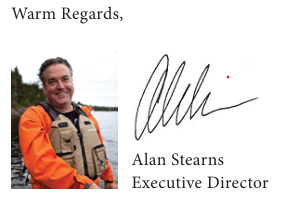
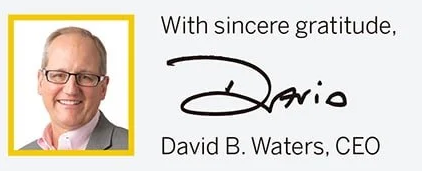
To make the signer more personal and relatable, almost every one of those letters we sent out had the digitized signature of the signer above the return address and the headshot of the smiling signer next to the signature on the letter.
Speaking of headshots. We all know “a picture is worth a thousand words”. What that picture makes the reader feel matters more than the title under the signature.
Many signers will want to provide you with their ‘press release’ style headshot…professionally taken to show the gravitas necessary to their big boss position. Let’s face it—that executive look isn’t warm and engaging.
Something more real is needed, maybe even something they might have on their mobile phone. Listen, I know that’s a long shot for a hospital CEO or other big shots. Try this: Ask them for their most relatable and engaging headshot; those words might help.
Some EDs and CEOs resist including their headshot altogether. "It's not about me — it's about the organization." That instinct comes from a good place, but it gets the psychology backwards. In the context of direct mail, donors don’t give to organizations. They give because a person asked them. The headshot doesn't make it about the signer — it makes the signer real. A letter signed by a name with no face is a document. A letter signed by someone whose eyes meet yours from the page is a conversation. That's not ego. That's connection.
What makes the headshot even more important is that Prof. Voegele’s eye tracking studies showed that readers look at the PS, then read the letter. That means the signer’s headshot is one of the first things a donor sees. Many readers’ first subconscious impression is influenced by the signer’s headshot. It will be better if the photo conveys more of “I care” then “I’m in charge”.
Familiar Matters
Don’t keep switching signers. If the CEO, President, or ED signs each time, over time they become more real to the donor than if a different person signs each time. Especially true if the headshot of the signer is always included next to the signature. This falls under the adage People give to People and more so if they look capable AND caring.
Singular not Plural Matters
Again, but rephrased: “Individuals give when other Individuals ask”. Don’t send a letter from a committee, except in unusual cases. Remember that the voice of the letter needs to be from “Me/I” to “you”, not from “us/we”. “me/I” is a person. “Us/We” is an organization.
There are some exceptions: in one case each staff person of a small environmental justice organization in the middle of a fight with polluters signed the letter. Most of them were mentioned in either the letter or the accompanying update flyer.
In another case, for a community hospital in a small, rural New England town, the town’s best-known doctor was the signer. The equity he’d built up with the community delivered one of the best donation responses their letters had received. But that’s a one-time event. You can’t ask a doctor to be the face of fundraising. His credibility would evaporate.
Authentic Matters
Who owns the story? If the story is the heart of the appeal, maybe the story owner should sign. That could be the person helped (patient, participant, student, artist, etc.), or a staff member like a nurse, teacher, case worker, or volunteer.
In practice this has been rare because the language needed to make the ask doesn’t fit those people and might sound out-of-tune coming from them. Gratefulness, yes. Please donate now, not so much.
When it’s the head of the organization who introduces the story, tells the story, shares the testimonials, wraps up after the story, and makes the ask, it all sounds in-tune. She’s a legit storyteller and asker for the organization. She then lets the story and/or testimonial-in-their-own-words speak for the volunteer or person helped.
What about board members as fundraising letter signers?
Board members often don’t fulfill the above criteria. They don’t run the organization, they aren’t known except to a few, and this might be the only time you hear from them. So, we don’t usually recommend them as signers—unless they are well known to the donor file because they hear from them in other contexts.
Some examples of great headshots
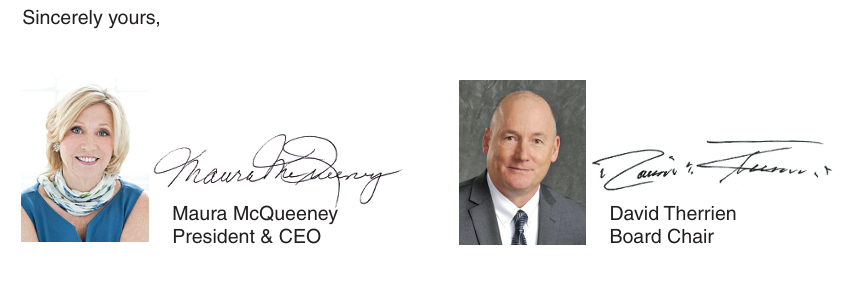
Note how relatable these headshots are. These people are obviously caring, approachable and competent. That’s the feeling you want.
A special note about the two signers of the Home Healthcare Hospice & Community Services letter. That letter violates the principle of only one signer, and of using board members. But they are in a small town and the board chair is well-known in the community as a business owner supporting many causes and who cares about the community. It’s the exception that proves the rule.
Written by Gary Henricksen
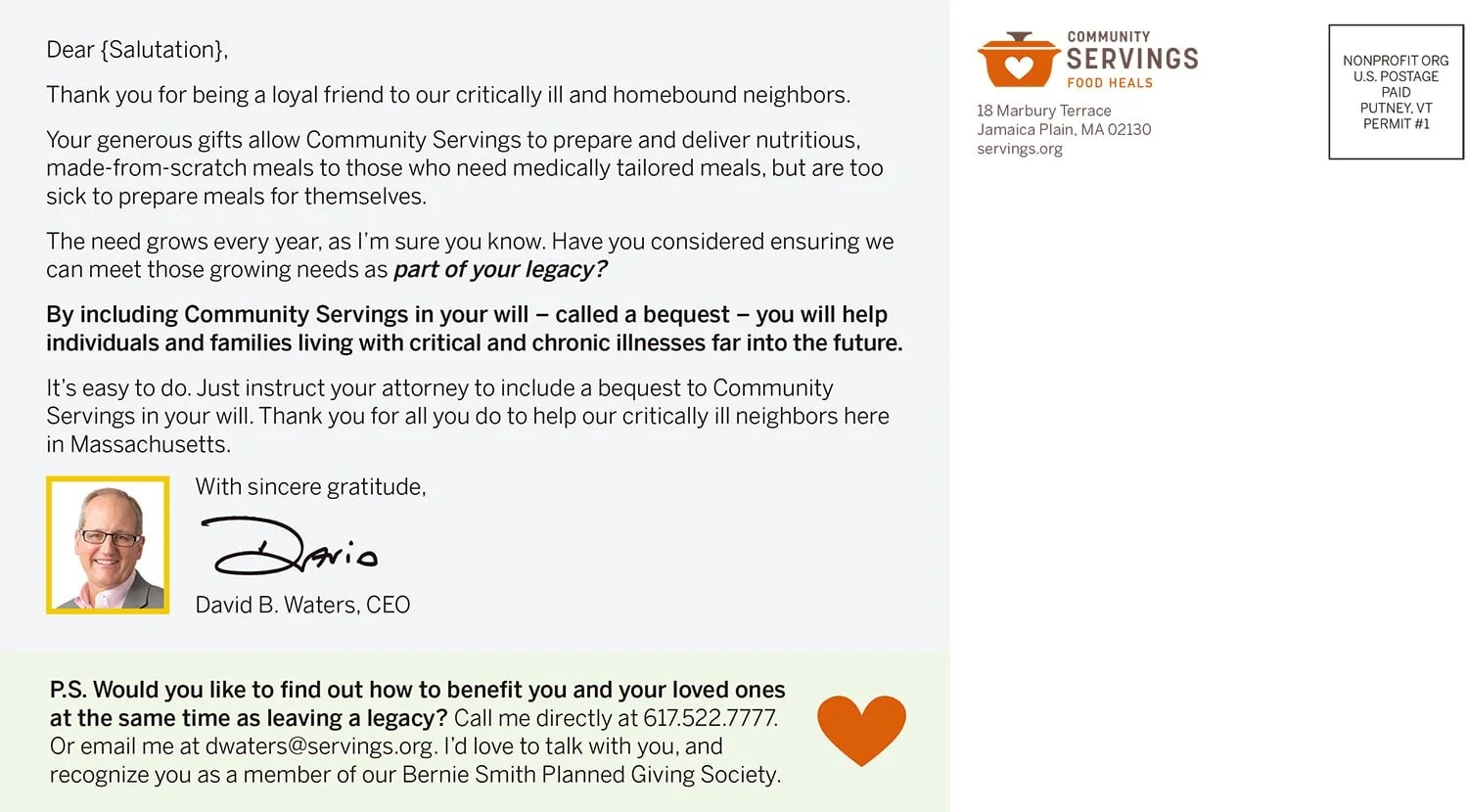
If you click on these headshot images, it will take you to the full version of the letter, postcard, or impact report.